
In-House vs Outsourced Photography
Dealerships evaluating their inventory presentation strategy often face a key decision: should photography be handled internally, or outsourced to a third-party provider? Both approaches can work. The right choice depends on your inventory volume, staffing structure, cost sensitivity, and operational priorities. This guide compares in-house vs outsourced photography models to help you determine which approach best fits your store.
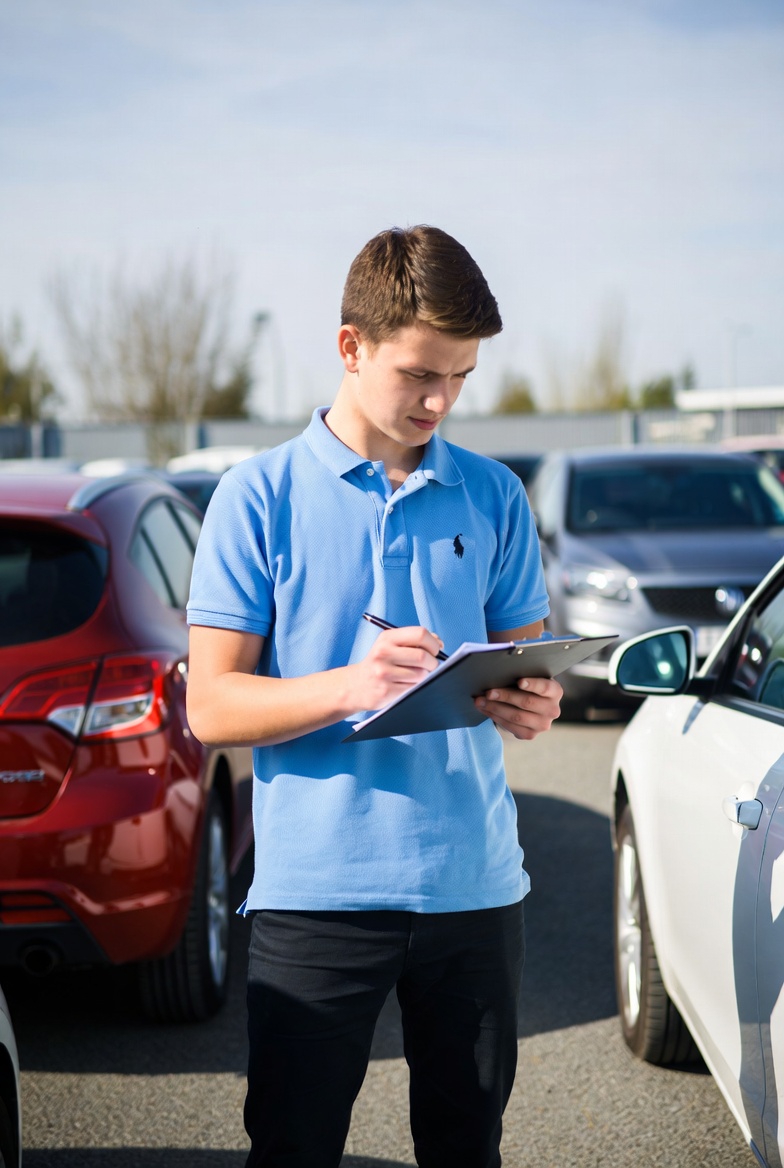
How Outsourced Dealership Photography Works
With outsourced photography:
-
A third-party vendor schedules on-site visits
-
A contracted photographer captures vehicle photos
-
Images are delivered or uploaded after processing
-
The dealership pays per vehicle or per visit
This model can reduce internal workload but typically introduces scheduling dependencies and per-unit costs.
How In-House Dealership Photography Works
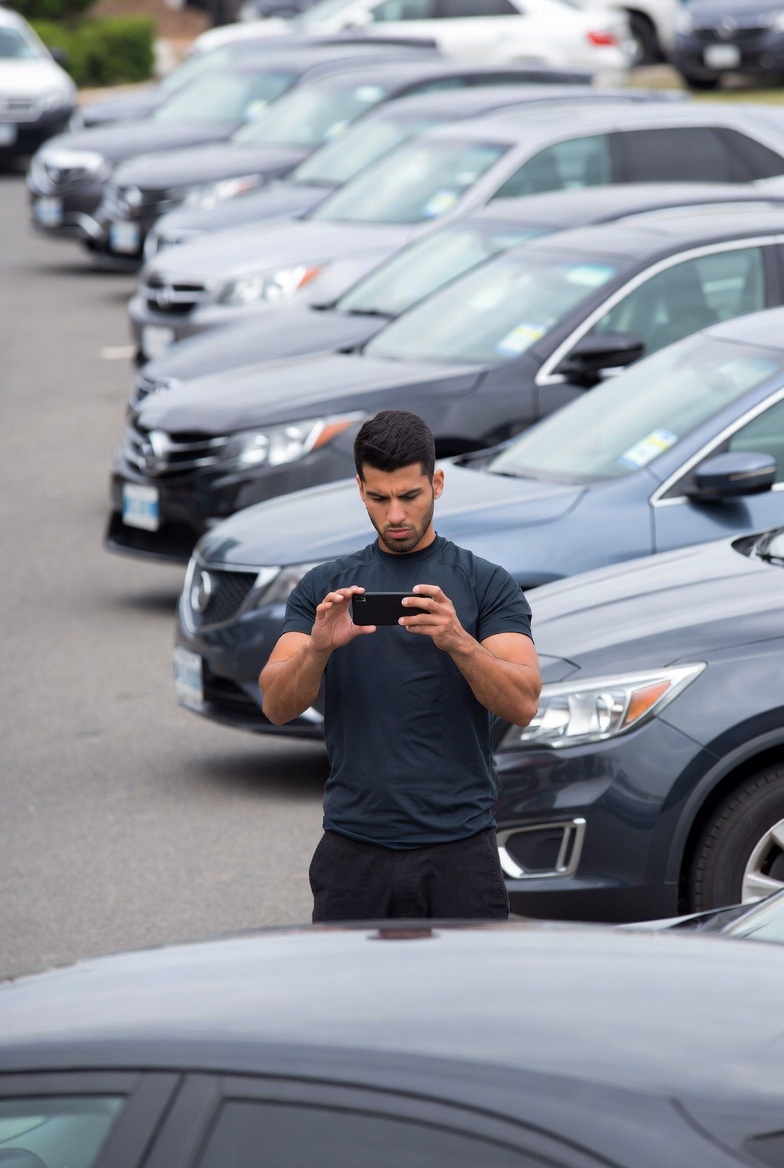
With in-house photography:
-
A staff member captures photos during intake
-
Vehicles are photographed immediately after recon
-
Images are uploaded through a defined workflow
-
The dealership controls timing and output
This model shifts responsibility internally but increases control and flexibility.
Direct Comparison Table
| Factor | Outsourced Photography | In-House Photography |
|---|---|---|
| Cost Model | Per vehicle or visit | Fixed internal labor cost |
| Scheduling | Vendor-dependent | Fully controlled by dealership |
| Time to Market | Dependent on availability | Immediate capture possible |
| Consistency | Varies by photographer | Standardized workflow |
| Staff Dependency | External | Internal system-based |
When Outsourced Photography May Be the Right Choice
Outsourcing may make sense if:
-
Inventory volume is low
-
Staffing capacity is limited
-
Studio-level lighting is required
-
Management prefers minimal operational oversight
For some stores, outsourcing simplifies execution.
When In-House Photography Offers an Advantage
In-house photography often benefits dealerships that:
-
Have moderate to high inventory volume
-
Want faster time-to-market
-
Need consistent brand presentation
-
Prefer predictable monthly costs
-
Want process stability despite staff turnover
When structured properly, in-house photography becomes a repeatable operational system rather than a specialized skill set.
Cost Considerations
Outsourcing typically involves per-vehicle fees that scale with inventory volume. In-house photography shifts cost into labor and workflow management.
Over time, dealerships with consistent volume often find in-house systems provide more predictable budgeting, while outsourcing may be simpler for smaller stores.
Actual cost impact depends on volume and internal efficiency.

How DealerVision.com Supports Structured In-House Photography
DealerVision.com was designed to support repeatable in-house photography workflows.
Rather than relying on individual talent, the platform standardizes capture, background management, and publishing processes to help dealerships maintain consistency while controlling timing and output.
For dealerships considering the shift from outsourcing to in-house photography, a structured system is typically the determining factor in long-term success.
Frequently Asked Questions
Is in-house photography cheaper than outsourcing?
It depends on inventory volume and internal workflow efficiency. Dealerships with steady volume often find in-house systems provide more predictable long-term costs.
Can small dealerships handle photography internally?
Yes, especially when using standardized workflows. Smaller stores may benefit from in-house control if staffing allows.
Does outsourcing produce better photo quality?
Professional vendors may offer studio-level lighting. However, structured in-house systems can deliver consistent, high-quality results suitable for online retail.
How long does in-house dealership photography take per vehicle?
With a defined process, many dealerships complete capture in 10–15 minutes per unit.
Page edit test.